NOTES from Nanna - When the Final Button Is Fastened
Small Buttons, Great Stories
Closing a garment with truly special buttons can feel like something far greater than a practical gesture. It is not merely a matter of making two pieces of fabric meet. It is a ritual. A small ceremony in front of the mirror, where the body is wrapped, not hidden, but honoured. As if you were slowly placing the lid on a treasure chest, where the treasure is the body that will carry you through the day.
The Film industry understands this well. Hollywood has always known that an entire scene can live in the moment a button slowly finds its buttonhole. The camera lingers on the hand, the neck, the fabric meets There is something sensual and teasing in the act of fastening itself. Perhaps because it both promises and withholds. To me, closing a garment can feel almost more tantalising than opening it. It is the eroticism of self-care. That quiet, precise movement where you say to yourself: Here I am, in the body I protect, respect and celebrate.
That is exactly what clothes can do. They can make the body visible in a way where you set the scene. They can frame it, lift it, say something about it, without the body having to explain itself. A dress, shirt or jacket can become that small stage on which the body is celebrated, and the buttons are the small lights being switched on, one by one, as they are fastened.
I love buttons. I think of them as the tiny jewels of clothing. They are not merely the final touch on a project, but often the place where a garment begins to find its personality. A button can be discreet as a whisper or extravagant as an outburst. It can make a garment feel vintage, military, romantic, sculptural, childlike, playful or almost aristocratic. On uniforms, buttons and emblems have long helped tell us where the clothing belongs, and what rank or role the wearer holds. On our handmade clothes, they can do something similar, only more intimately. They can say: This is my choice, my taste, my little signature.
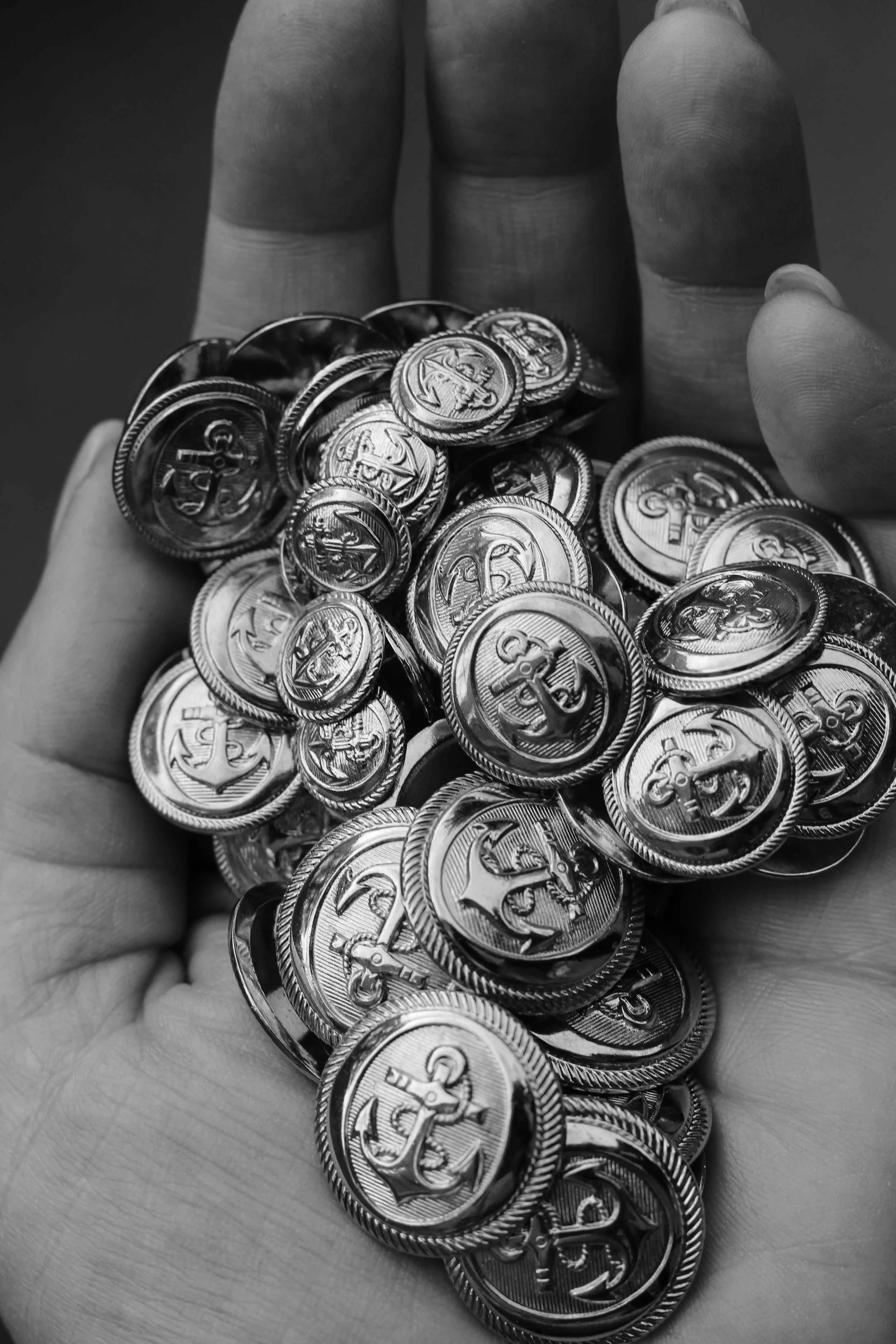
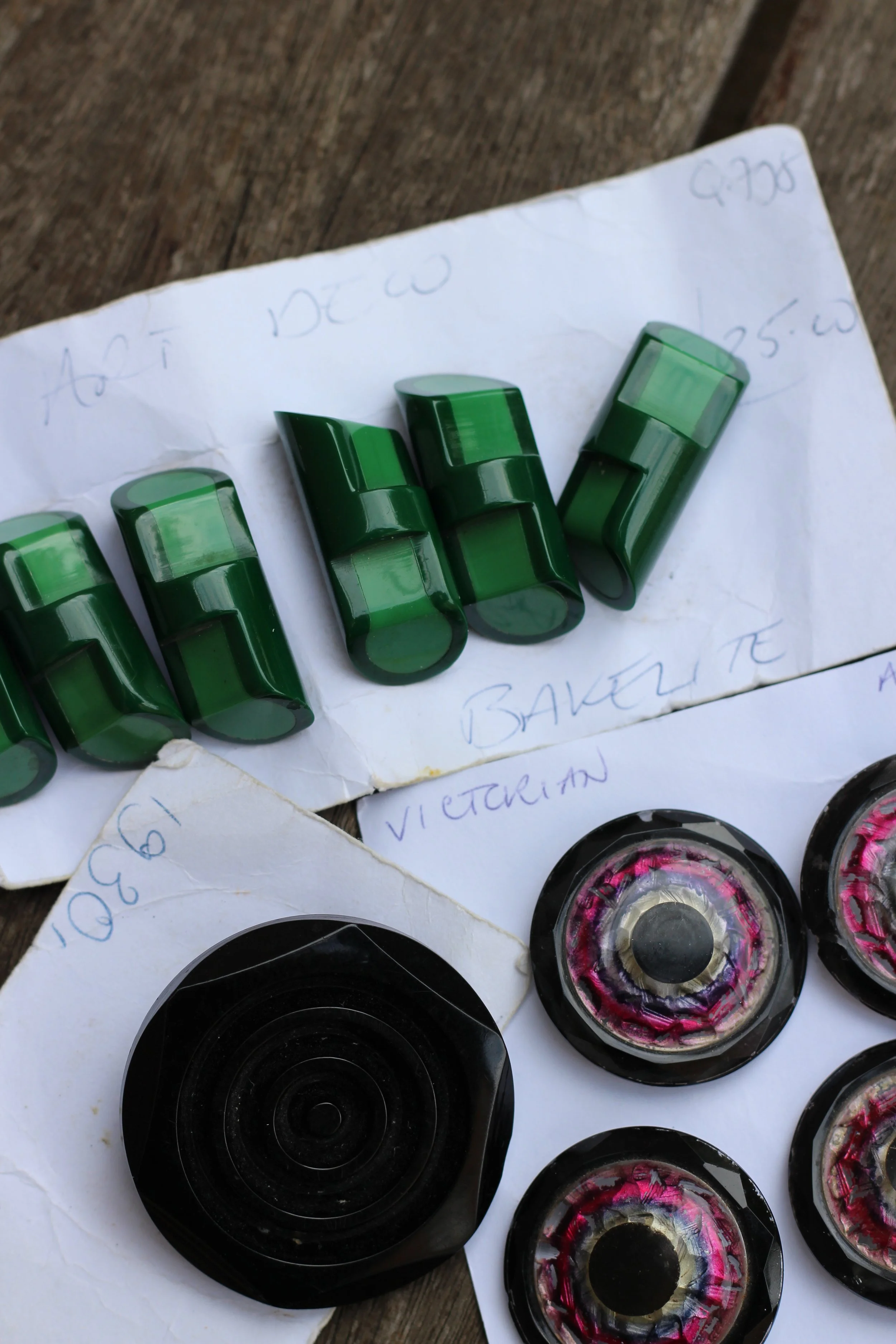
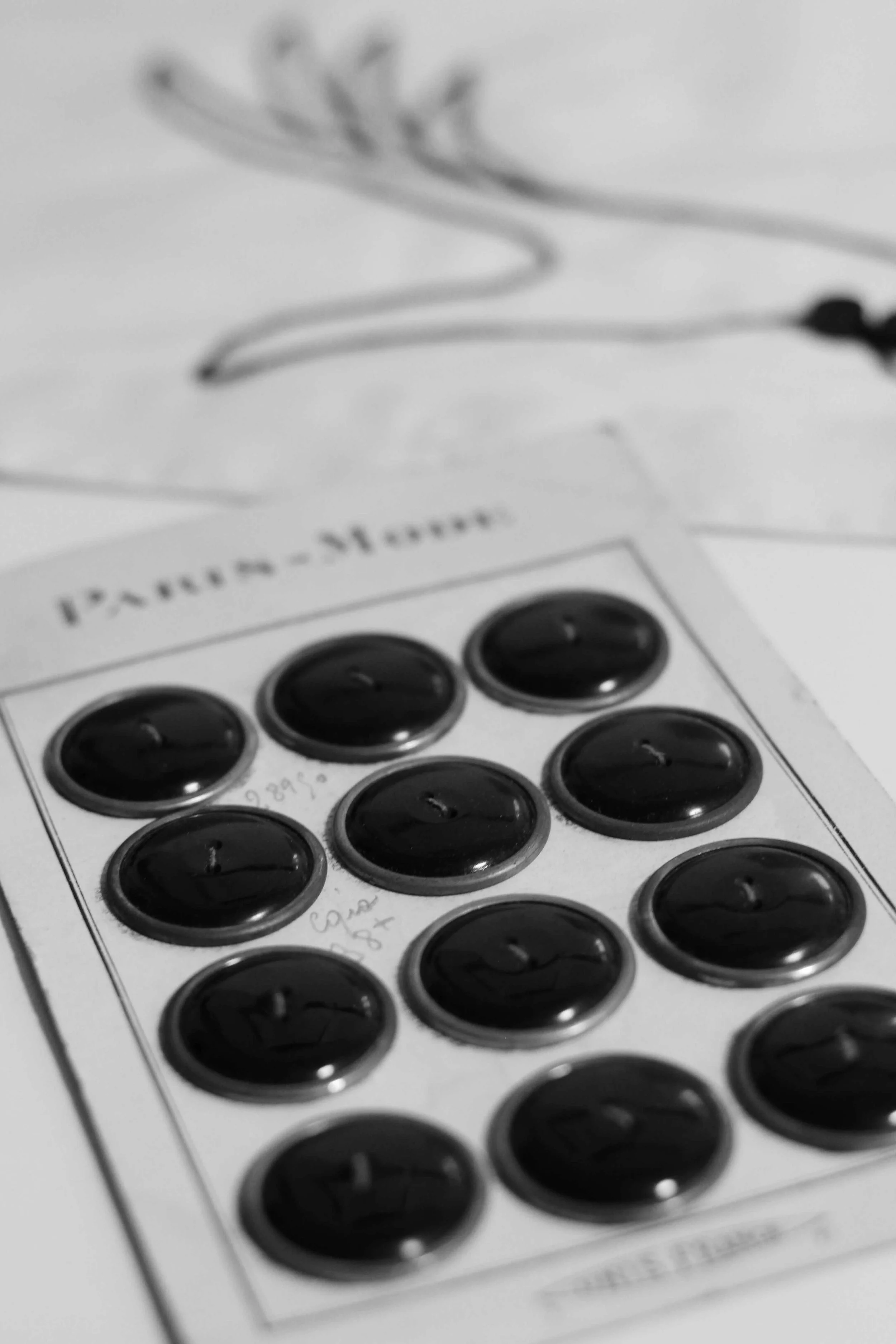
Some of the buttons I find most inspiring are those that are not newly produced. I have a small collection of vintage buttons because they can do something different. They have weight, and almost a temperament and personality of their own. They were made in a time when materials were often bone, horn, glass, metal, mother-of-pearl, ceramic or fabric, before plastic became the great default and everything was produced for the masses. Some look like tiny caramels. Others resemble coins, eyes, flowers, shields or strange little inventions. They are whimsical works of art that can adorn a garment and tell the story you want to step into.
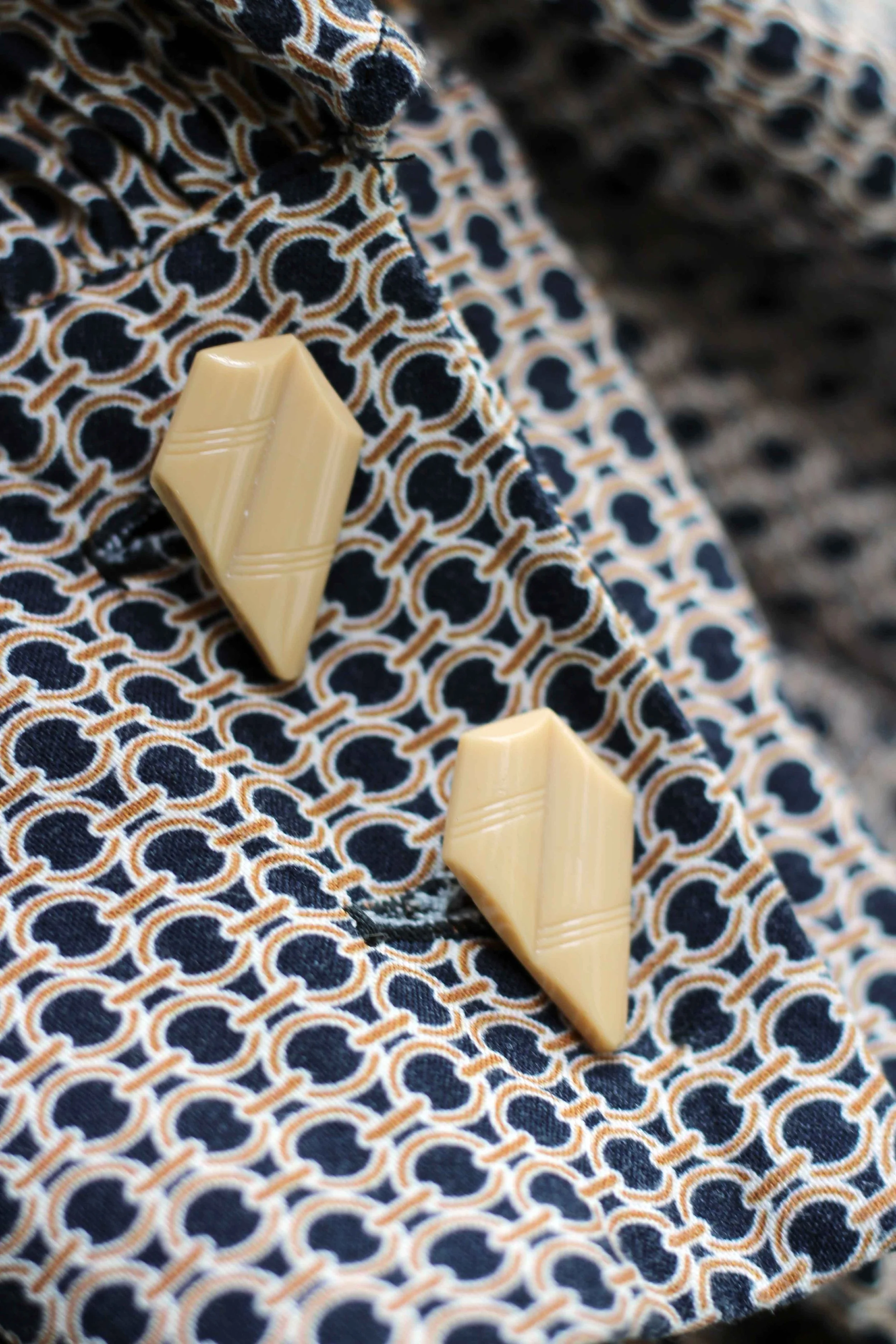
When we add buttons to our clothes, I see it as a refinement. It is the final full stop, but also the final test. I know very well that, for many people, buttons and buttonholes are a dreaded part of the process. When I teach, I often see people avoid projects if buttons are involved. Or an otherwise finished shirt or dress ends up in the unfinished pile because the buttonholes are missing. It can be an anxiety-inducing process: the garment is almost finished, you have spent hours, days, perhaps weeks on it, and then, at the very end, you have to cut into it. There is something dramatic about that. The scissors approach the fabric like something from a horror film. One wrong cut, and the whole scene changes.
But perhaps that is exactly why we should give buttons a little more love. See them not as an irritating final task, but as an opportunity to raise the quality even further. Perhaps the project needs a bound buttonhole. Perhaps it needs puss buttons on the inside and a beautiful decorative button on the right side. Perhaps the button should not merely match, but surprise. Be a little too large. A little too shiny. A little too poetic. Like a small line spoken at the very end that changes the entire scene.
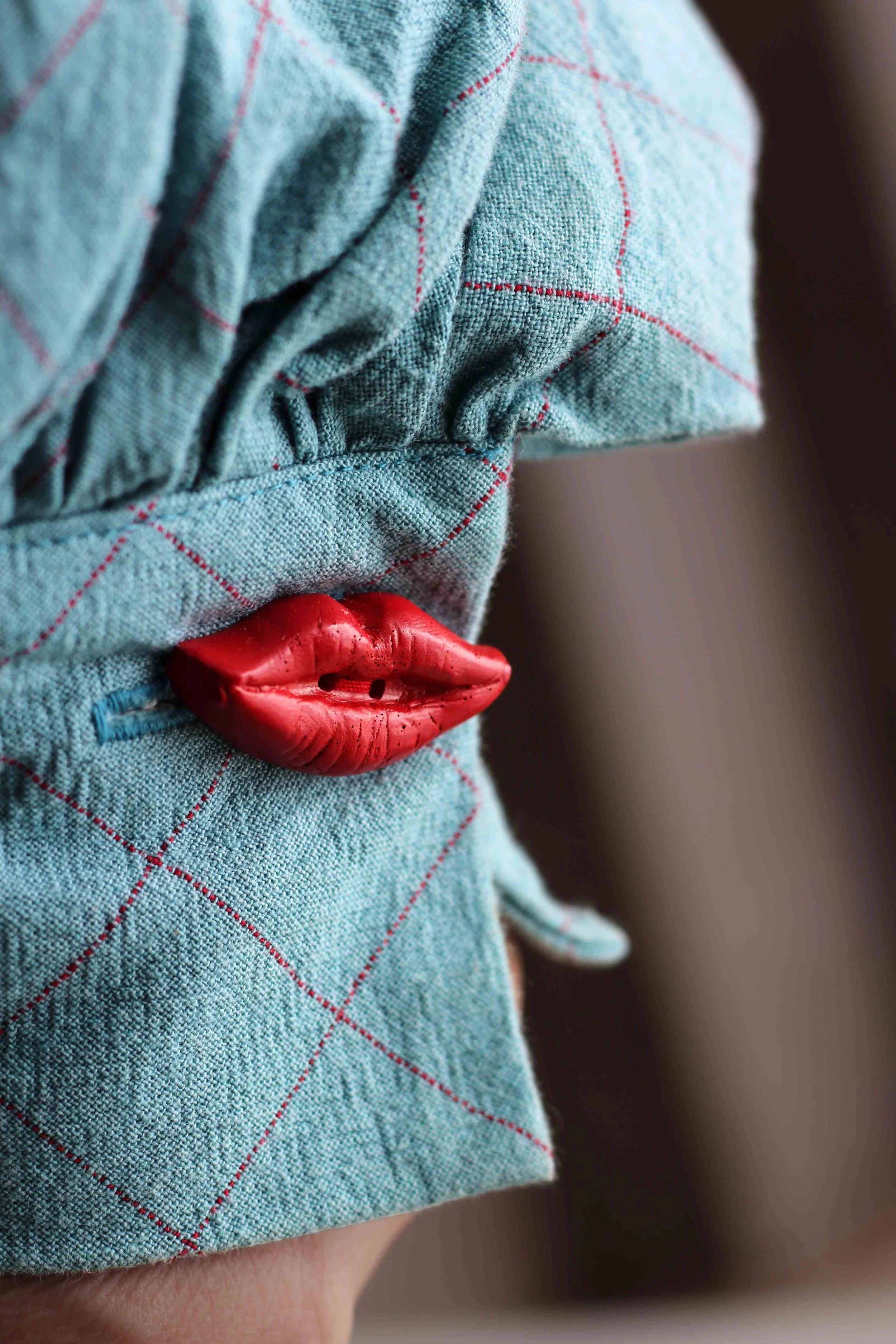
I have such a strong relationship with buttons that I also find it fun to make them myself. Then it becomes a tiny artistic project of its own. A button can be covered in fabric, embroidered, shaped, painted, cast, assembled from scraps, or emerge as a strange little sculpture. And here I think of Elsa Schiaparelli, who understood that fashion did not have to be beautiful in an obedient way. It could be absurd, witty, dreamlike and almost incomprehensible. She was known for her surrealist touches and intricate details, and her buttons could be little surprises in themselves. Schiaparelli’s buttons were not just closures. They were small, imaginative outbursts.
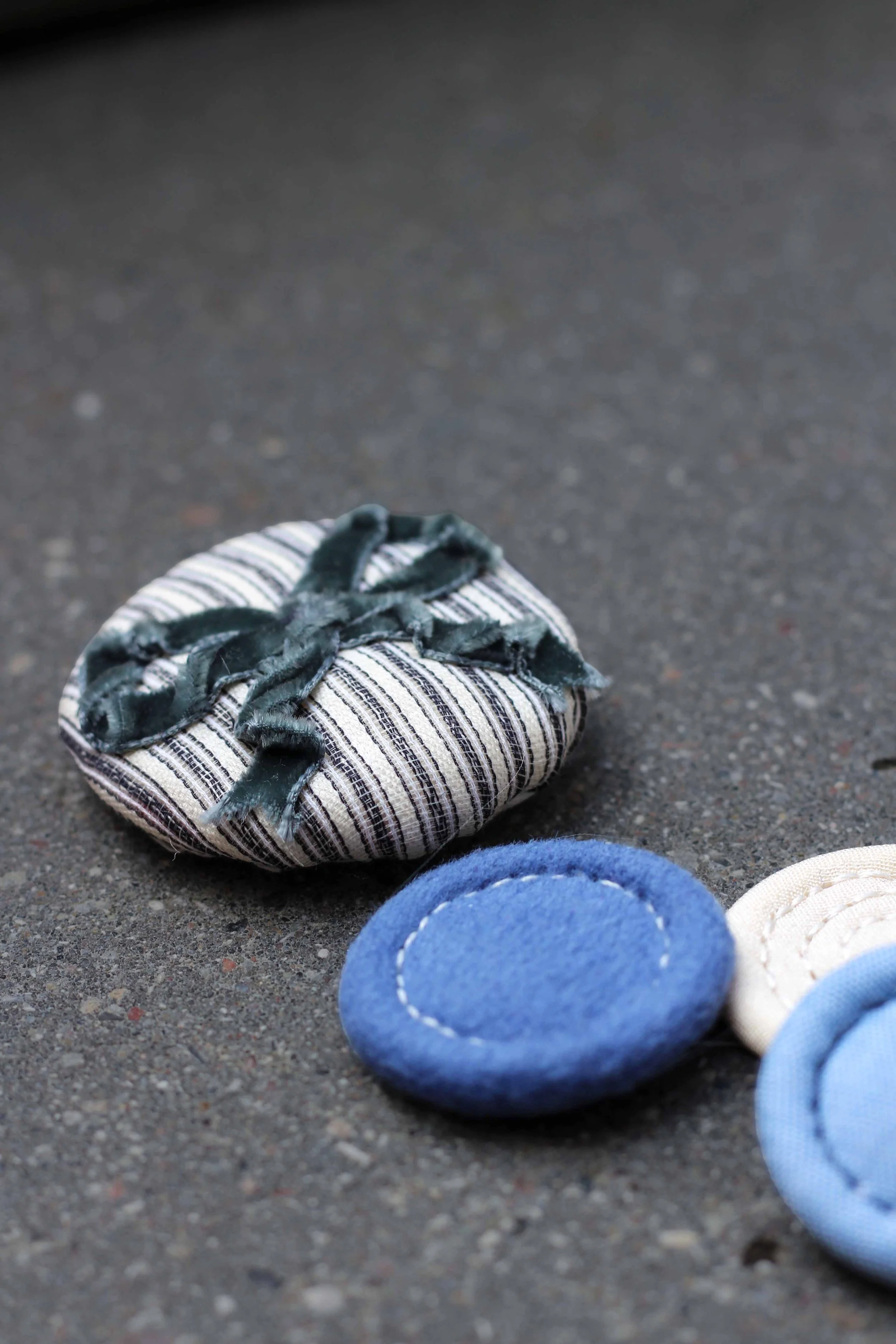
To me, a button is never just a way to open or close a garment. It is part of the garment’s story. Perhaps even part of your own. They may be buttons taken from a special dress. Buttons from a coat that no longer exists. Buttons from your grandmother’s sewing box, your mother´s biscuit tin, or a jam jar that rattles like tiny memories when you shake it. A collection like that is not just odds and ends. It is a collection of time. A little chorus of days gone by.
As a child, I loved it when my grandmother opened her sewing box. She had a little box with her initials on the outside, and to me it was like a treasure chest. I could sit for ages looking at all the buttons. First, I sorted them by colour. Then I mixed them all together again. Then I sorted them by whether they had two holes, four holes or one hole. Today I know that the last kind is a shank button, but back then it was simply the mysterious type. The one with a secret on the back. I also sorted them according to which ones I thought were the most beautiful and which ones were boring. It was a magical game, and perhaps it has never truly left me.
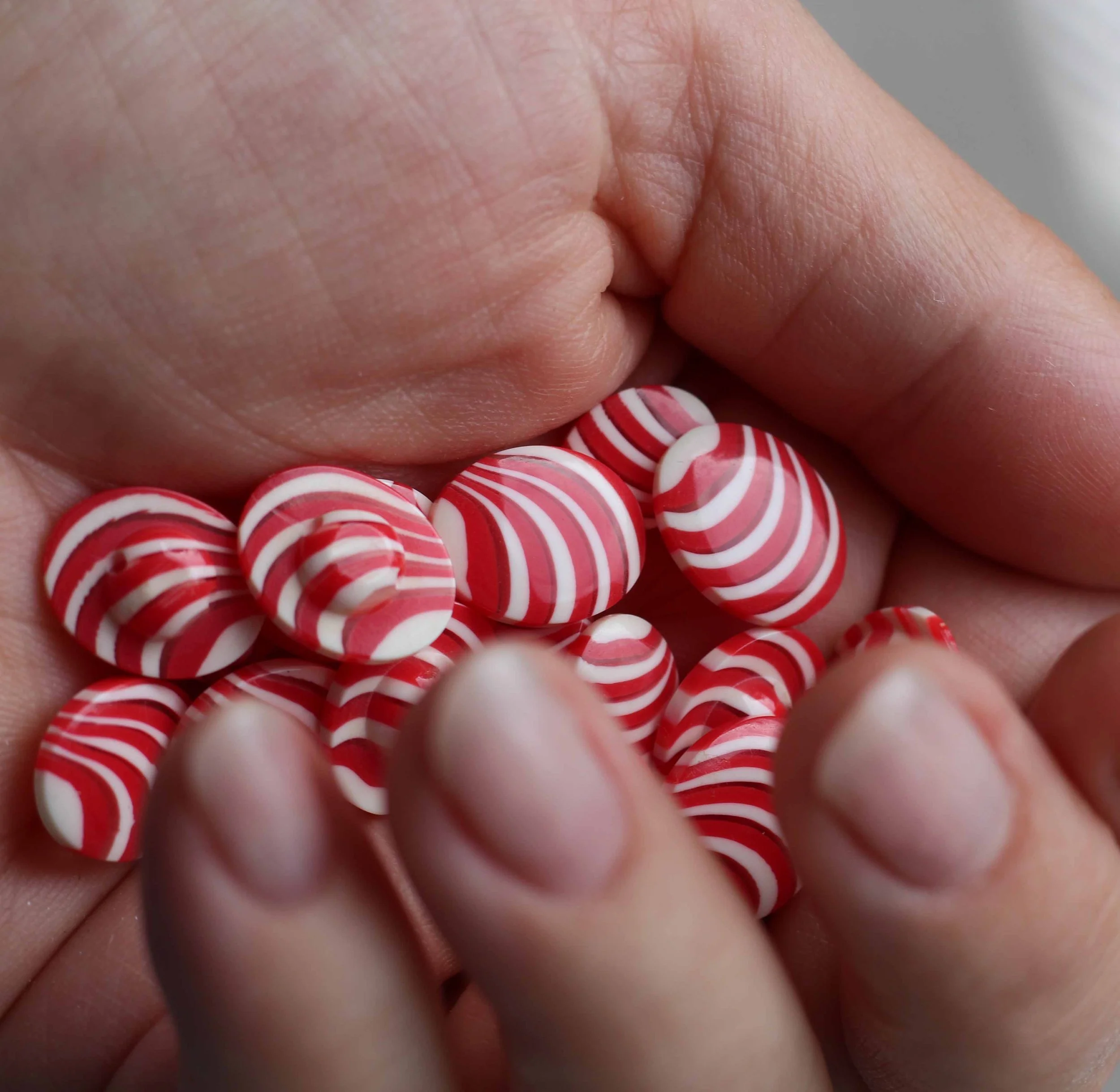
That is still how I feel when I look for buttons. Whether it is in shops, online, at flea markets, in second-hand stores or in the local button shop, where there are still tubes of vintage buttons, it feels like a treasure hunt. It is magical. I can easily buy a second-hand garment almost solely for the sake of its buttons. Remove them, add them to my collection and let the rest of the garment live on in another way. Because sometimes the buttons are the most alive part of a piece of clothing. They sit there like little eyes, blinking at you: Look at me. I have been somewhere before. I can come with you into the next part of life.
Perhaps that is why I keep returning to them. Because buttons are both beginning and ending. And when the final button slips through its buttonhole, it is as if the garment says click, not loudly, but somewhere inside the body. Then you are fastened. Not enclosed. Not hidden away. Just gathered. Ready to step out into the world.
L O V E
Nanna